Nestled in the heart of Sri Lanka, Udawalawe National Park stands as a testament to the island nation’s rich biodiversity and commitment to wildlife conservation. Established in 1972, the park spans approximately 30,821 hectares and is located in the southern part of the country, bordering the Sabaragamuwa and Uva provinces. Renowned for its vast grasslands, dense forests, and the serene Udawalawe Reservoir, the park is a haven for wildlife enthusiasts, researchers, and tourists alike. Its unique ecosystem supports a wide array of flora and fauna, making it one of Sri Lanka’s most important protected areas.
Historical and Geographical Significance
Udawalawe National Park was created to provide a sanctuary for wild animals displaced by the construction of the Udawalawe Reservoir, which was built across the Walawe River to support irrigation and agriculture in the region. The reservoir, which lies at the heart of the park, not only serves as a vital water source for wildlife but also enhances the park’s scenic beauty. The park’s landscape is characterized by open grasslands, scrub jungles, and patches of riverine forest, creating a diverse habitat that supports a variety of species.
The park’s location in the dry zone of Sri Lanka means it experiences a tropical climate, with distinct wet and dry seasons. The dry season, from May to September, is the best time to visit, as animals congregate around water sources, making them easier to spot. The wet season, from October to January, transforms the park into a lush green paradise, with abundant water and vegetation.
Biodiversity: A Haven for Wildlife
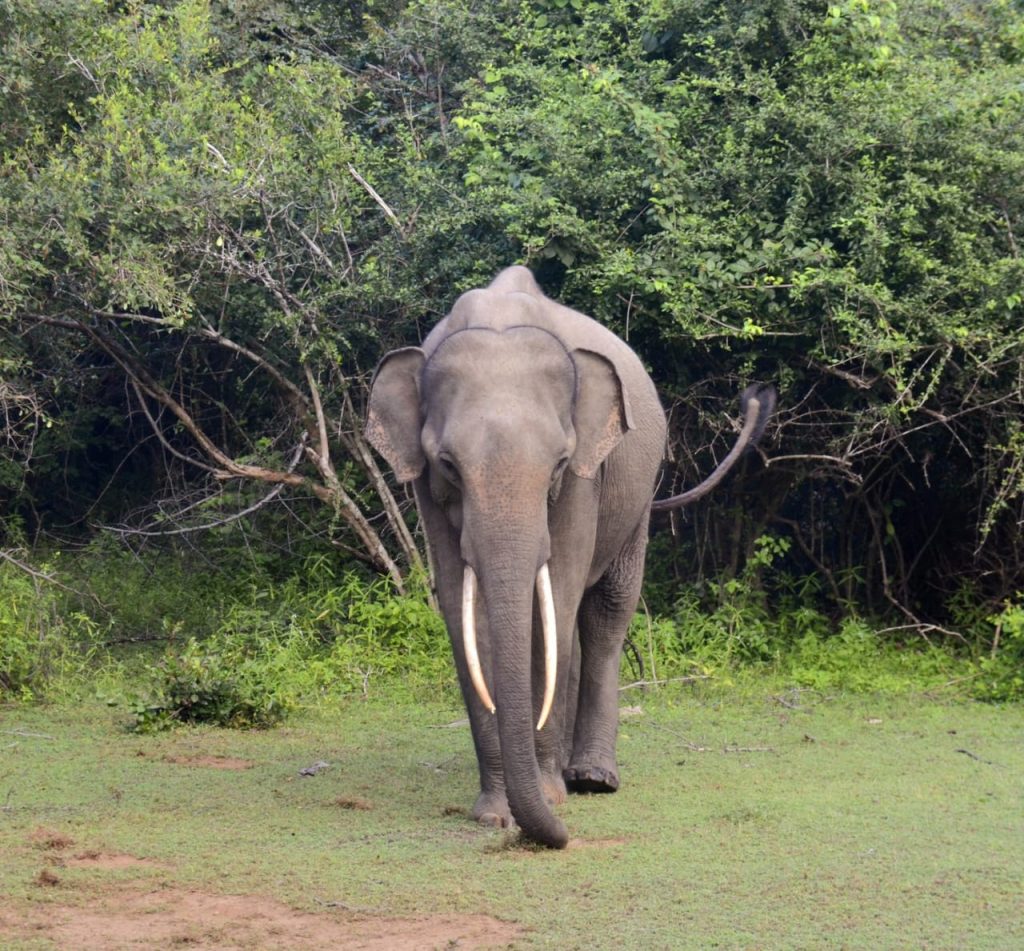
Udawalawe National Park is most famous for its elephant population. The park is home to around 600 elephants, making it one of the best places in Sri Lanka to observe these majestic creatures in their natural habitat. Unlike in other parks, where elephants can be elusive, Udawalawe offers almost guaranteed sightings, especially near the reservoir and waterholes. The elephants here are part of a larger population that roams the region, and the park plays a crucial role in their conservation.
In addition to elephants, the park is home to a wide variety of other mammals. Sambar deer, spotted deer, wild boar, water buffalo, and mongooses are commonly seen. Predators such as leopards and jackals also inhabit the park, though they are more elusive. The park’s smaller mammals, including the endemic Toque macaque and the grey langur, add to its rich biodiversity.
Udawalawe is also a birdwatcher’s paradise, with over 200 species of birds recorded within its boundaries. The park’s wetlands and grasslands provide ideal habitats for both resident and migratory birds. Among the most notable species are the Sri Lanka junglefowl, the island’s national bird, and the majestic crested serpent eagle. Waterbirds such as painted storks, pelicans, and herons can be seen around the reservoir, while the park’s forests are home to colorful species like the Malabar pied hornbill and the Indian pitta.
Reptiles and amphibians are also well-represented in Udawalawe. The park is home to several species of snakes, including the Indian python and the spectacled cobra, as well as monitor lizards and crocodiles. The park’s waterways are teeming with fish, which in turn support a variety of bird and mammal species.
Conservation Efforts and Challenges
Udawalawe National Park plays a vital role in Sri Lanka’s conservation efforts. The park’s establishment has helped protect numerous species from habitat loss and poaching, which remain significant threats to wildlife in the region. The Sri Lankan government, along with various non-governmental organizations, has implemented several initiatives to safeguard the park’s biodiversity. These include anti-poaching patrols, habitat restoration projects, and community outreach programs aimed at raising awareness about the importance of conservation.
One of the park’s most notable conservation successes is the Udawalawe Elephant Transit Home (ETH), established in 1995. The ETH rescues orphaned elephant calves, rehabilitates them, and releases them back into the wild. This initiative has not only helped increase the park’s elephant population but has also raised awareness about the challenges faced by these animals in the wild.
Despite these efforts, Udawalawe National Park faces several challenges. Human-wildlife conflict is a growing concern, as elephants and other animals sometimes venture into nearby villages in search of food, leading to crop damage and occasional confrontations. Climate change also poses a threat, with changing rainfall patterns affecting the park’s water sources and vegetation. Additionally, the increasing number of tourists visiting the park has raised concerns about the impact of human activity on its fragile ecosystem.
Tourism and Sustainable Development
Udawalawe National Park is one of Sri Lanka’s most popular tourist destinations, attracting thousands of visitors each year. The park offers a range of activities, including jeep safaris, birdwatching tours, and guided nature walks. These activities provide visitors with an opportunity to experience the park’s wildlife up close while contributing to the local economy.
However, the growing popularity of the park has necessitated a focus on sustainable tourism. Authorities have implemented measures to minimize the environmental impact of tourism, such as limiting the number of vehicles allowed in the park at any given time and enforcing strict guidelines for visitors. Eco-friendly lodges and campsites have also been established in the surrounding areas, offering tourists a chance to enjoy the park’s natural beauty while supporting conservation efforts.
The Role of Local Communities
The success of Udawalawe National Park’s conservation efforts is closely tied to the involvement of local communities. Many residents of the surrounding villages rely on the park for their livelihoods, working as guides, drivers, or staff at tourist facilities. By providing employment opportunities and promoting eco-tourism, the park has helped foster a sense of ownership and responsibility among local communities.
Educational programs and community outreach initiatives have also played a crucial role in raising awareness about the importance of conservation. By involving local residents in conservation activities, the park has been able to build a network of stakeholders committed to protecting its biodiversity.
Udawalawe National Park is a shining example of Sri Lanka’s commitment to preserving its natural heritage. Its diverse ecosystems, abundant wildlife, and stunning landscapes make it a must-visit destination for nature lovers. At the same time, the park’s conservation efforts highlight the importance of balancing human needs with environmental protection. As challenges such as climate change and human-wildlife conflict continue to loom, the lessons learned from Udawalawe will be invaluable in shaping the future of wildlife conservation in Sri Lanka and beyond. Whether you are an avid wildlife enthusiast or simply someone who appreciates the beauty of nature, a visit to Udawalawe National Park is sure to leave you with lasting memories and a deeper appreciation for the wonders of the natural world